Secret Factors To Consider for Picking Your Food Manufacturing Partner in Australia
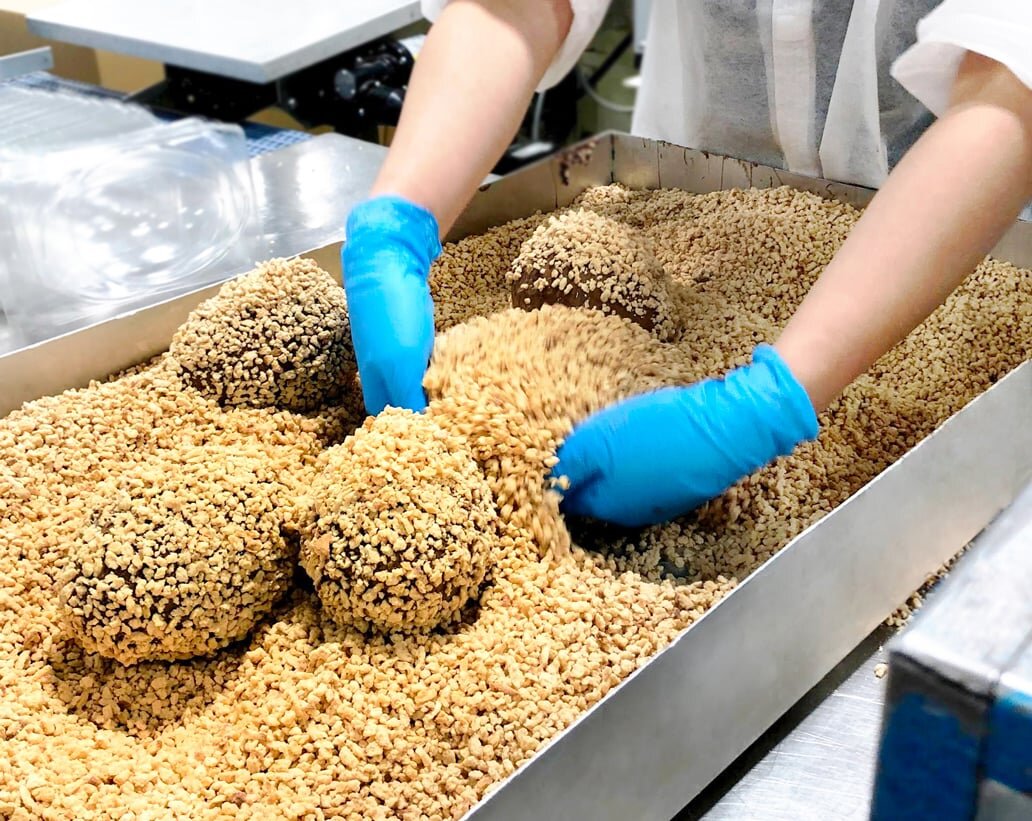
The food sector in Australia is a dynamic landscape, with private-label products gaining favor for their branding chances and competitive edge. When starting a private-label food venture, picking the ideal contract food manufacturing partner is vital. In this extensive overview, we will certainly explore the important factors to think about before choosing contract food manufacturers in Australia.
Private-label products provide retailers distinct branding opportunities, making the option of a manufacturing companion pivotal. In Australia, renowned for its culinary variety and stringent quality standards, an effective partnership with a contract food supplier depends upon a number of key considerations.
1. Quality Assurance and Conformity
The foundation of any private-label endeavor is uncompromising quality. Prior to selecting a contract food supplier, it is important to analyze their commitment to adhering to industry guidelines and quality requirements. In Australia, the food sector is firmly regulated to ensure food safety and security and also product honesty. manufacturers should hold certifications such as Threat Evaluation and Important Control Points (HACCP) to demonstrate their commitment to best techniques in food manufacturing.
2. Know-how and Expertise
Various contract food manufacturers possess differing areas of expertise and also specialization. Relying on your item group, finding a manufacturer experienced in producing similar items is vital. Whether it's pastry shop items, sauces, snacks, or beverages, partnering with a maker aware of your picked item group's intricacies can dramatically improve the final result.
3. Modification and Adaptability
Private-label products prosper on uniqueness and also distinction. When choosing a contract food supplier, consider their readiness and capacity to customize products according to your brand name's specs. The capability to fine-tune active ingredients, flavors, product packaging, and also labeling can be a game-changer in developing a product that stands out on the market.
4. Production Ability and Scalability
As your private-label food gains grip, its need might raise. Working together with a contract food supplier geared up to manage your growing needs is vital. Evaluating the maker's manufacturing ability and scalability makes sure a Find out more smooth change from small-batch production to bigger quantities without jeopardizing quality.
5. Clear Interaction
Clear and also transparent interaction is pivotal to an effective collaboration. A best contract food producer should be receptive, happy to get input, and also proactively communicate manufacturing progression. Successful dialogue assurances good understanding and also prompt resolution of any prospective problems.
6. Item Development Support
The journey from principle to market-ready product can be complex. Selecting a contract food supplier that uses product development assistance can streamline this process. manufacturers that supply understandings into market trends, recommend active ingredient improvements, and also help fine-tune recipes can significantly accelerate your item's time to market.
7. Quality of Contents as well as Sourcing
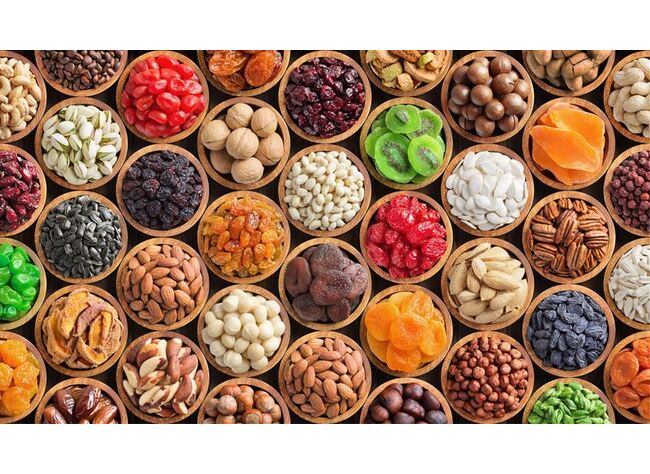
The quality of components used in your private-label foodstuff directly affects its preference, appearance, as well as overall appeal. In Australia, customers are progressively aware of the source and also quality of components. Partnering with a contract food manufacturer that focuses on sourcing high-grade, in your area sourced components can contribute to the success of your private-label brand.
8. Expense Factors to consider
While high quality is paramount, price factors to consider can not be overlooked. Examine the manufacturing prices, including production, packaging, and labeling, to guarantee the final product straightens with your spending plan. It is very important to stabilize top quality and affordability to use worth to your customers while maintaining healthy and balanced revenue margins.
9. Track record and References
Study the contract food supplier's reputation within the industry and also seek references from their existing or past clients. On-line reviews, reviews, and also straight communications with other brands they have actually partnered with can offer valuable insights right into their dependability, professionalism and reliability, as well as overall efficiency.
10. Sustainability Initiatives
With expanding environmental awareness, consumers are increasingly drawn to brands that prioritize sustainability. Selecting a contract food supplier with sustainable techniques, such as environmentally friendly product packaging options as well as waste decrease efforts, lines up with present market trends and also mirrors positively on your brand name's picture.
Frequently asked questions
Q1. What is contract food manufacturing?
Contract food manufacturing includes outsourcing the manufacturing of foodstuff to a specialized supplier. These manufacturers create foodstuff based upon the specifications as well as needs of a brand name or company, permitting private-label branding.
Q2. How do I make sure food safety in contract food manufacturing?
To make sure food safety, pick a contract food manufacturer in Australia with qualifications like HACCP (Danger Analysis as well as Critical Control Points). Additionally, on a regular basis investigate their centers and processes for conformity with food security regulations.

Q3. Can contract food manufacturers assist with product advancement?
Yes, numerous contract food manufacturers use item advancement support. They can provide insights right into market fads, recommend active ingredient renovations, as well as aid in recipe improvement.
Q4. What is the significance of sustainability in contract food manufacturing?
Sustainability is vital in contract food manufacturing as it straightens with customer choices and also mirrors positively on your brand name's image. manufacturers with sustainable practices add to minimizing the environmental impact of food production.
Final thought